Bottom line:
- Most homes need septic tank pumping every 3 to 5 years, depending on tank size and household use.
- Skipping pump-outs raises the risk of drain field damage and costly repairs down the line.
- Local pros familiar with Arlington soil and permitting requirements can help homeowners stay on schedule.
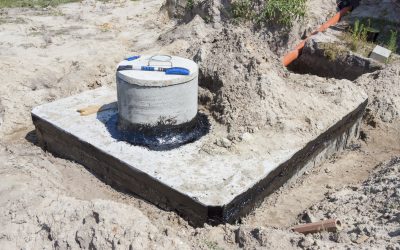
Septic tank pumping in Arlington WA is the routine removal of accumulated solids and sludge from a residential septic tank, typically needed every three to five years to keep a system functioning properly. For homeowners relying on private septic systems in Snohomish County, staying ahead of this schedule protects both the tank and the drain field it feeds.
Getting this service done on time is less about convenience and more about avoiding expensive damage. Septic tank pumping in Arlington WA prevents solids from reaching the drain field, where they can clog soil and force a full system replacement.
Why Pumping Schedules Matter for Arlington Homes
Arlington sits in a region with a mix of rural and semi-rural properties, many built on septic systems rather than municipal sewer lines. Soil composition, water table depth, and household size all affect how quickly a tank fills with sludge and scum.
According to the EPA’s guidance on septic system care, household septic tanks are typically pumped every three to five years, and the average system should be inspected at least every three years by a professional. The agency also notes that alternative systems with pumps or electrical components need more frequent inspection, generally once a year.
Ignoring these intervals allows solids to build up past safe levels. Once sludge reaches the outlet pipe, wastewater carries debris into the drain field, where it can clog the soil permanently.
Signs a Tank Needs Attention
Homeowners do not need to wait for a scheduled service date if warning signs appear early. Watch for:
- Slow-draining sinks, tubs, or toilets throughout the house
- Gurgling sounds in plumbing lines
- Standing water or unusually soggy patches near the drain field
- Sewage odors near the tank lid or yard
- Sewage backing up into a basement drain or lowest fixture
Any of these symptoms suggest the tank is full or the system is struggling, and a professional inspection should follow soon.
What Professional Pumping Involves
A standard service visit follows a consistent process, regardless of tank size or property layout.
1. Locating and uncovering the tank access lid
2. Measuring scum and sludge layers to confirm pumping is actually needed
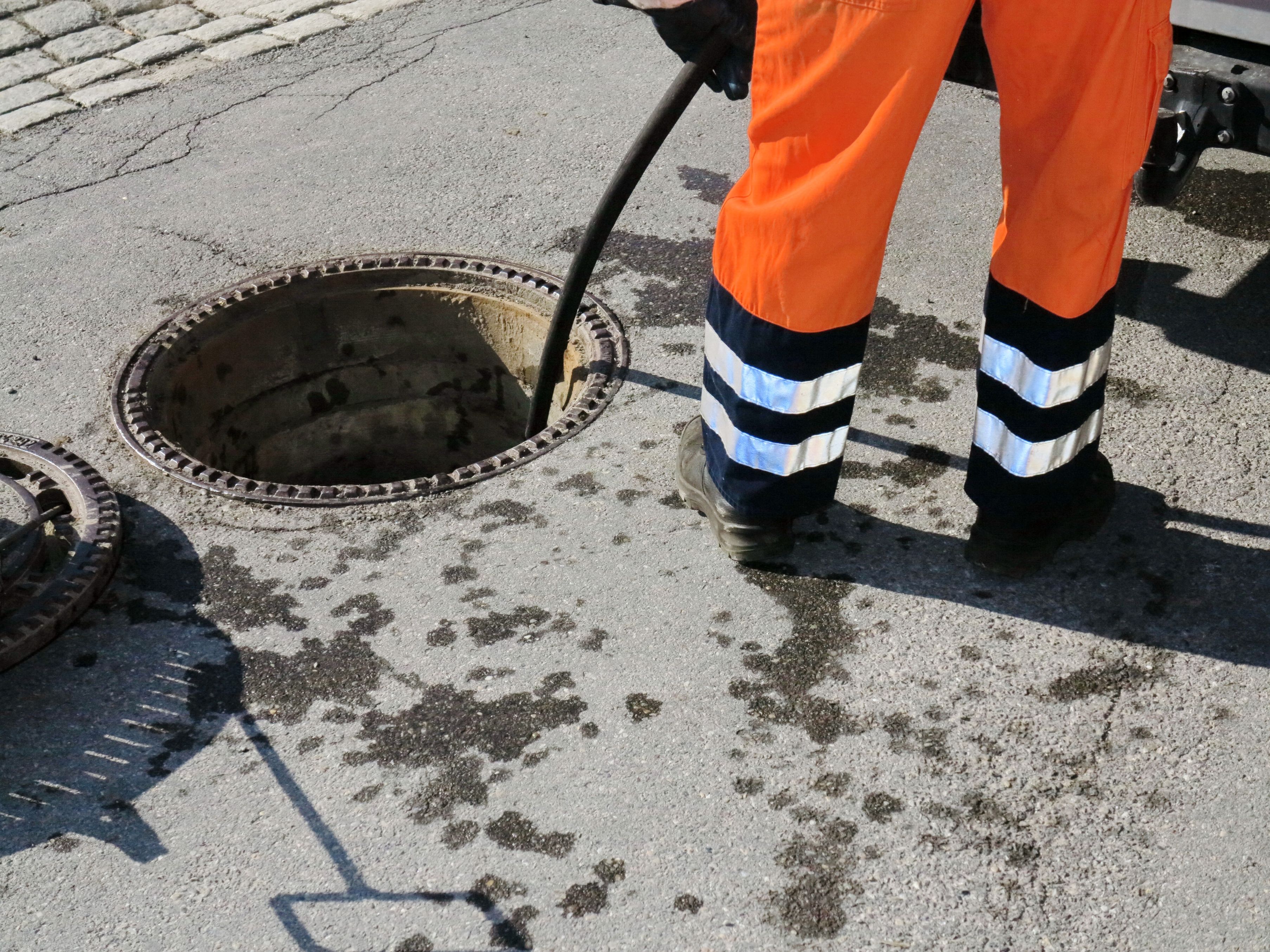
3. Pumping out liquid waste, sludge, and scum with a vacuum truck
4. Inspecting the tank walls, baffles, and outlet for cracks or wear
5. Documenting findings so homeowners have a record for future service
Baker Septic Tank Pumping performs routine septic tank pumping alongside septic cleaning and inspection work, helping homeowners catch small issues before they become expensive repairs.
Comparing Service Intervals by Household Size
Pumping frequency is not one-size-fits-all. Tank capacity and the number of people in a household both shift the timeline.
|
Household Size |
Typical Tank Size |
General Pumping Interval |
|
1-2 people |
1,000 gallons |
4-5 years |
|
3-4 people |
1,000 gallons |
3-4 years |
|
5+ people |
1,250-1,500 gallons |
2-3 years |
These figures are general planning estimates. A licensed technician can confirm the right interval for a specific property by measuring actual sludge and scum levels during an inspection.
Choosing a Local Septic Service
Working with a company familiar with the area brings practical advantages beyond basic pumping. Baker Septic Tank Pumping has served homeowners across Ferndale, Bellingham, Arlington, Oak Harbor, and Mount Vernon, offering pumping, cleaning, inspections, and new system installation for residential properties throughout Northwest Washington.
Local familiarity matters because soil conditions, tank placement, and permitting expectations vary by county. A provider that regularly works in the Arlington area is more likely to spot site-specific issues quickly and recommend realistic service intervals based on actual conditions rather than generic estimates.
Frequently Asked Questions
How often should a septic tank actually be pumped? Most residential tanks need pumping every three to five years, though household size, tank capacity, and water usage can shorten or extend that window.
What happens if pumping is delayed too long? Solids can overflow into the drain field, clogging the soil and potentially requiring a full system replacement rather than a simple pump-out.
Can homeowners check sludge levels themselves? It is possible, but measuring scum and sludge layers accurately requires opening the tank safely, which is best left to a trained technician with the right equipment.
Does a bigger tank mean less frequent pumping? Generally yes. Larger tanks give solids more room to settle before reaching unsafe levels, which is why household size and tank size are considered together when setting a schedule.
Staying on a consistent pumping schedule remains one of the simplest ways to protect a septic system and avoid drain field failures that are far more disruptive and costly to fix. Homeowners in Arlington who track warning signs, understand their tank’s capacity, and schedule regular inspections put themselves in a strong position to catch problems early. For those ready to confirm their next service date or get a tank inspected, reaching out to a local septic professional is a practical next step.